
Trézor.io/Start™® — Starting Up™ Your Device | Trezor®®
Explore Trezor.io/start for practical instructions and helpful resources related to device setup, wallet preparation, crypto account organization, recovery protection, and secure hardware wallet management.
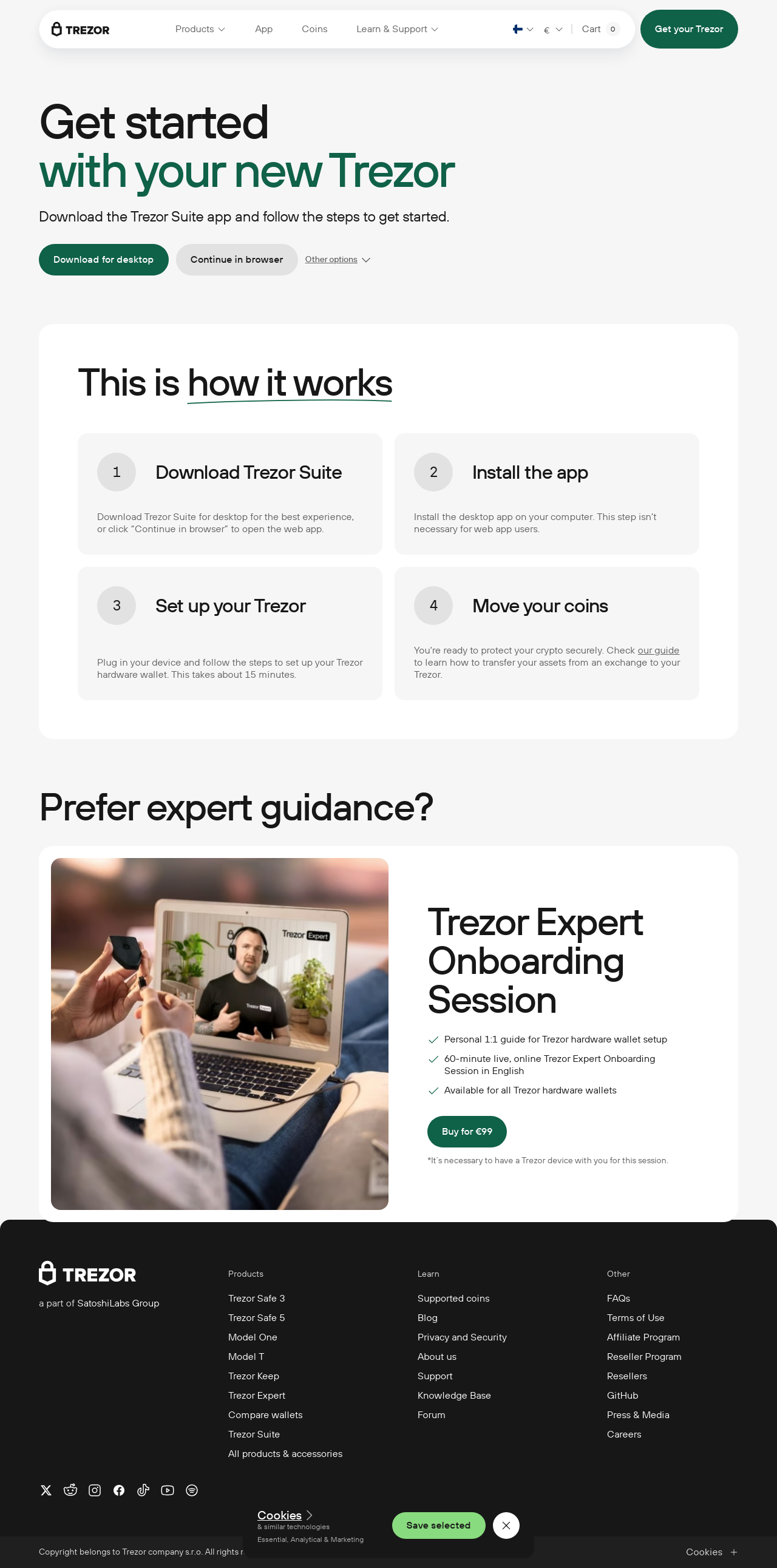
Trezor.io/start: A Practical Guide to Preparing Your First Secure Wallet
Moving from exchange-based storage to a hardware wallet can introduce a new way of thinking about cryptocurrency ownership. Trezor.io/start can be a useful starting reference for users preparing a Trezor device and learning how to establish a secure self-custody routine.
The initial setup is only the beginning. Protecting wallet information and making careful decisions during everyday use are equally important.
Get Ready Before Initialization
Choose a quiet, private environment before beginning the setup process. Use a trusted computer and avoid unfamiliar devices when working with wallet software.
Check the source of any application or setup instructions before installing or following them. Fraudulent websites can imitate genuine wallet services, so avoid relying on unexpected links or messages.
Understand What the Setup Establishes
Initializing a hardware wallet creates the wallet environment used to manage supported digital assets. Follow the instructions provided for your specific Trezor device and compatible software.
Do not rush through security prompts. If an instruction seems unusual, stop and verify it through a trusted source instead of improvising.
Give Your Recovery Phrase Priority
The recovery phrase is a critical component of a self-custody wallet. It should be recorded carefully and stored offline in a secure location.
Never disclose it to another person. A genuine support representative should not need your complete recovery phrase to diagnose a device or account issue.
Never type your recovery phrase into a website, form, email, chat, or third-party application. Digital copies can also create unnecessary exposure, so avoid screenshots and cloud-based storage.
Benefits of a Structured Setup
Personal Control
A hardware wallet supports a self-custody model in which the user is responsible for controlling wallet access.
Physical Confirmation
Compatible hardware can provide a dedicated environment for reviewing and confirming supported transactions.
Organized Management
After setup, compatible software can help users monitor supported accounts and keep track of digital asset activity.
Security-Focused Habits
A careful initialization process encourages users to think about privacy, verification, and secure account management from the beginning.
Make Transaction Verification a Habit
Before approving a cryptocurrency transfer, carefully review the recipient address, amount, asset, and network. If the device displays transaction information, compare it with the transaction you intended to authorize.
Never approve a transaction merely because an online message claims it is required. If something does not look right, pause and investigate.
Avoid Common Wallet Scams
Phishing attempts may use fake security alerts, account warnings, or impersonated support representatives. Some scams attempt to convince users that their device must be “validated” by entering a recovery phrase online.
Treat unexpected requests with caution. Never reveal private wallet credentials to someone contacting you through an unverified channel.
Keep the Setup Secure Over Time
Once initialization is complete, continue protecting the wallet environment. Keep compatible software updated, secure the computer or mobile device you use, and avoid unfamiliar applications.
Regularly reviewing account activity can also help you notice transactions or changes that you do not recognize.
Conclusion
Trezor.io/start can help users approach their hardware wallet setup in a more structured way. Successful self-custody depends on more than initializing a device; it also requires protecting the recovery phrase, verifying transactions, using trusted software, and staying aware of phishing techniques. These practices can support a more careful approach to long-term cryptocurrency management.
Additional Resources
- Review the basics of hardware wallet security.
- Keep recovery information offline.
- Verify software sources before installation.
- Check transaction details on the device before approval.
- Learn how to recognize fake wallet support.
Updated about 6 hours ago